Singing in the Abbey, Sound of Music Review

The hills are alive, and so is this wonderful classic full of love ballads and military family tensions. To call it the most iconic musical out there is an understatement, yet I will resist the urge to only say positive things about the movie.

This is another World War II movie, filled with Nazis and strict military rules to follow. A family of seven children must obey their new governess, who also happens to be an ex-nun. The perfect set up for an odd situation.

Maria, the main character, starts out the movie as a carefree nun who runs and sings in the stunning hills of Austria. Well, she isn’t a very good nun and she doesn’t keep that job for long. Who gets kicked out of being a nun? Regardless of this bizarre start, the plot sets Maria up to become a nurturing governess instead.

This plot is very straight forward, she goes to take care of a family and they eventually grow to accept her, then she falls in love with their father. A simple plot. As a child, this was enough for me. The music was always a big plus, too. Now, I think time flies by in the movie, which is not true for a 2 hour and 52-minute movie. The adult content in this movie centers around the Nazis and the war. Since their father is in the military of Austria, this puts a strain on his position. They end up escaping the terror of the Nazis, but barely, and not after many musical numbers.

The best thing about this movie and watching it as an adult is knowing that it is based on a true family. The Von Trapps were real. That alone makes the story (and the boring plot), more interesting. The current whereabouts of the family are in Stowe, Vermont, where they have a family lodge. While visiting this resort seeming getaway seems very unlikely for me, I bet it’s a tad easier than flying to Austria to truly experience the Sound of Music.  
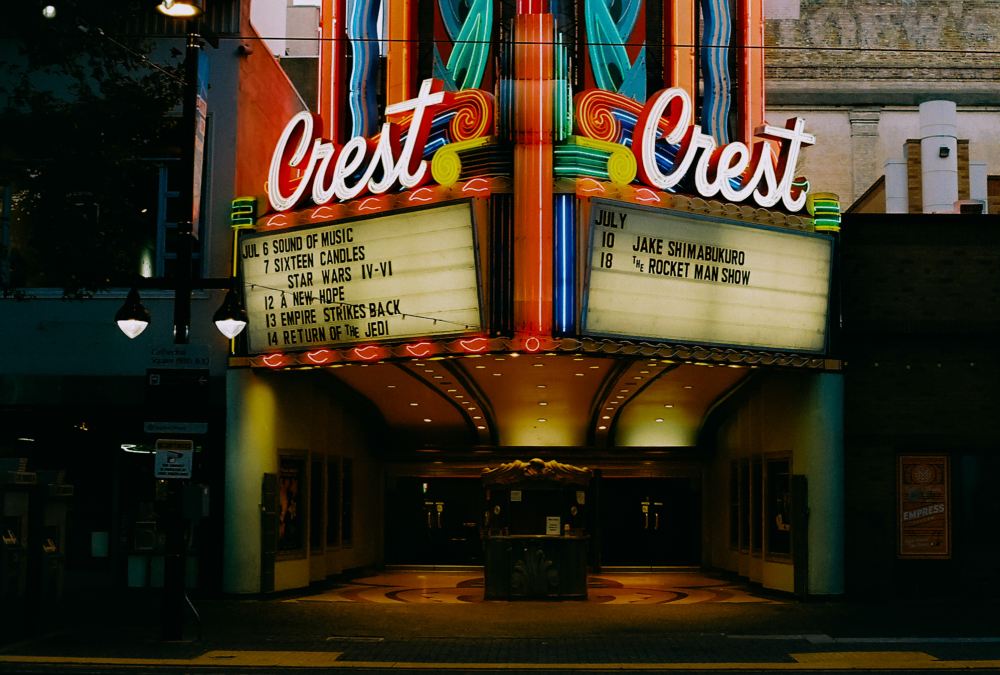
Learning more about the real family behind the movie has led me to have a new appreciation. In that aspect, Hollywood changed some key factors. The timeline of the family in Austria is completely warped, and luckily the family was never forbidden to play music in their house. These are the main things you question in the plot, like how the events unfold so quickly, yet knowing these were tweaked by the producers makes the original storyline more authentic and appreciated by the viewer.

I can’t leave out that Julie Andrews plays Maria. She’s simply a wonderful actress, and that alone helps to make the plot come alive and seem real and genuine. Her character has such a fun outlook on life. Released in 1965, this film still stuns with its coverage of the landscapes of Austria. Regardless of the misconceptions, Hollywood took upon itself to create a more intriguing story from the real-life narrative of the Von Trapps. Even if I know some parts of the plot are bizarre, it doesn’t keep me from enjoying the musical expertise of the Von Trapp family.


Magic Flying Cars in Chitty Chitty Bang Bang

The car that can do everything, we see it and we want it. Even if it is a piece of movie magic, a flying car with character always appeals to an audience.

This iconic movie had it all. It even managed to capture both my little sister’s and my attention for the complete movie. Of course, my sister was deathly afraid of the Lollipop man. She would run to my Grammy as soon as she heard the child-catcher yell, “Lollipops! Free Lollipops!” and then he would eventually cage the children.

As an adult, I look at the harsh reality of the movie, and how the Baron and Baroness ban children from their fictional town of Vulgaria. While it is for entertainment’s sake, and helps move the plot along, we don’t question why they outlaw children, or why they are afraid of them.

The widowed inventor, professor Caractacus Potts poses as an interesting father figure. His children are often seen getting dirty and causing trouble around the neighborhood. The ironic part of the movie is that their father’s immaturity and imagination end up saving the day in many ways.

Mainly, his tinkering on the infamous vehicle, Chitty Chitty Bang Bang, named for its unique sound, allows them to start off on their adventures. They run a woman off the road and give a ride to the Sweetmaker’s daughter who was fondly named Truly Scrumptious. His inventions save the day, as Chitty often becomes the car they never knew they needed.

This wonderful movie from my childhood also has many musical numbers. Ballads like “Hushabye Mountain” tend to appeal to a more serious undertone of the storyline, but songs like “Chu-Chi Face” are so absurd they make you laugh.

The plot convinces you that you need more imagination in your life. The adult figures are all concerned with serious issues, but they rewrite the rules to make the outcomes better. Even the grandfather in the film thinks he travels the world when he just stands in the chicken pen all day (Yes, you can really only make this stuff up).

As an adult looking back at a children’s movie, I can only say that imagination is key when analyzing its meaning. Or that maybe, there is no meaning. At least for the children watching the movie, maybe the meaning only lies in the entertainment itself.

The biggest reason this movie is so great is undeniably the relationships. There is your usual romance, sure, but that really takes a backseat to the dynamics present in the Potts family. The twins and their father make the movie. The parent-child relation is not your typical dynamic, yet the family offers a free-thinking and a whimsical sense of life.

While this may not be a classic in some people’s eyes, Chitty Chitty Bang Bang holds a special place in my heart. There are a surprising amount of movies about cars — in this aspect Herbie, The Love Bug makes a great competitor for both content and the fact they were released the same year. The setting of Chitty Chitty Bang Bang is the early 1910’s, so in this way this is the winning movie. Why? Simple. Using a turn of the century background allows for the professor’s inventions to prove crazy for that period, but in today’s or even the 60’s he’s providing the blueprint for inventions such as a vacuum.

While the professor may seem crazy to the outsiders, the viewers see beneath the surface. This movie appeals to all your senses and convinces even the most cynical people that they can relax and explore their imagination.

Exploring Witchcraft and War in Bedknobs and Broomsticks

This Disney classic is not complete without a flying bed that takes you anywhere in the world. The post-war film of Bedknobs and Broomsticks revisits a war-torn London and follows the evacuated children that are placed in the hands of a witch.

Set during World War II, the plot of the movie revolves around ending the war with a magical spell. Released in 1971, this film doesn’t fit the bill of WWII propaganda. Despite its release date the movie’s underlying theme of waiting for the war to end places the movie with other war classics of the 1940s.

While the film took place in England, most of the real filming happened on the west coast of America. The setting of the movie takes you from real-world London streets, through layers of the imagination, to the bottom of the sea.

The characters in the movie show a broad range of creative genius. Similar to Mary Poppins, the creative team uses both real actors with a mix of animation and voice acting.

While the film glorified the use of the cartoon and imaginative effects it does not mean their intended audience was primarily for children. Movies in the 1970s filled a creative gap in the film industry. Companies started to include family movies, which is why Bedknobs and Broomsticks fits perfectly in the classic children’s movie canon. There are many characteristics of the film that appeal to an older audience. In fact, animation has a longer history dating back before the use of film and screen acting.

The movie’s main appeal to children comes with the main characters and their sorrow over moving out of London. While the situation they are in is not ideal, the chance encounter with an apprenticed witch and swindling magician captures the attention of a young audience.

The action itself is topped with the inclusion of Angela Lansbury’s acting. Playing the witch that’s reluctant to take the children in, Lansbury executes the role with precision and grace.

Her interaction with the inanimate objects around her proves a point of contention with reality. Her captivating relationship with magic makes children follow their imagination and enjoy the magical implications of the movie.

The movie faces iconic scenes such as a suit of armor fighting the Nazis and incantations saving the day, but the fact the musical numbers are so entertaining takes the cake. Classics like Portobello Road, The Old Home Guard, and Substitutionary Locomotion make children want to sing along (they tend to remember the words) and sing about a mix of serious content and complete made-up nonsense.

I first watched this movie when I was really young, and I loved it. I can still recall the lyrics to the songs and certain parts of the movie that stuck with me. The magical elements in the movie played to my young imagination. Looking back at the movie, there are so many adult themes, such as fighting a war and losing your parents, that I didn’t truly understand as a child.

Releasing a movie in the 70s with the setting of the 40s may not appeal to the children, but the adults raised post-war would have a different connection to the movie entirely. Parents would have experienced the war in real life, and looking back at their childhood setting makes the imaginary parts of the movie seem more real.

This iconic Disney film really captures the idea of a family movie. It relates to the older audiences in its setting, entertains the younger ones with its imagination, and poses interesting questions and thoughts to the rest.

abbey armor Austria bedknobs beds broomsticks cars children Disney England family hills Hollywood imagination lollipops magic military movie Movies music musical nuns World War II